Agricultural and Irrigation Well Drilling in Huntingdon County: What Farmers and Landowners Should Know
Water is the foundation of every productive farm, and in Huntingdon County and across South Central Pennsylvania, a large share of agricultural operations depend entirely on private wells to supply that water. Whether the need is livestock watering, crop irrigation, a greenhouse, a nursery, or a combination of all of the above, an agricultural or irrigation well is a different project than drilling for a household, and it deserves to be treated that way from the start.
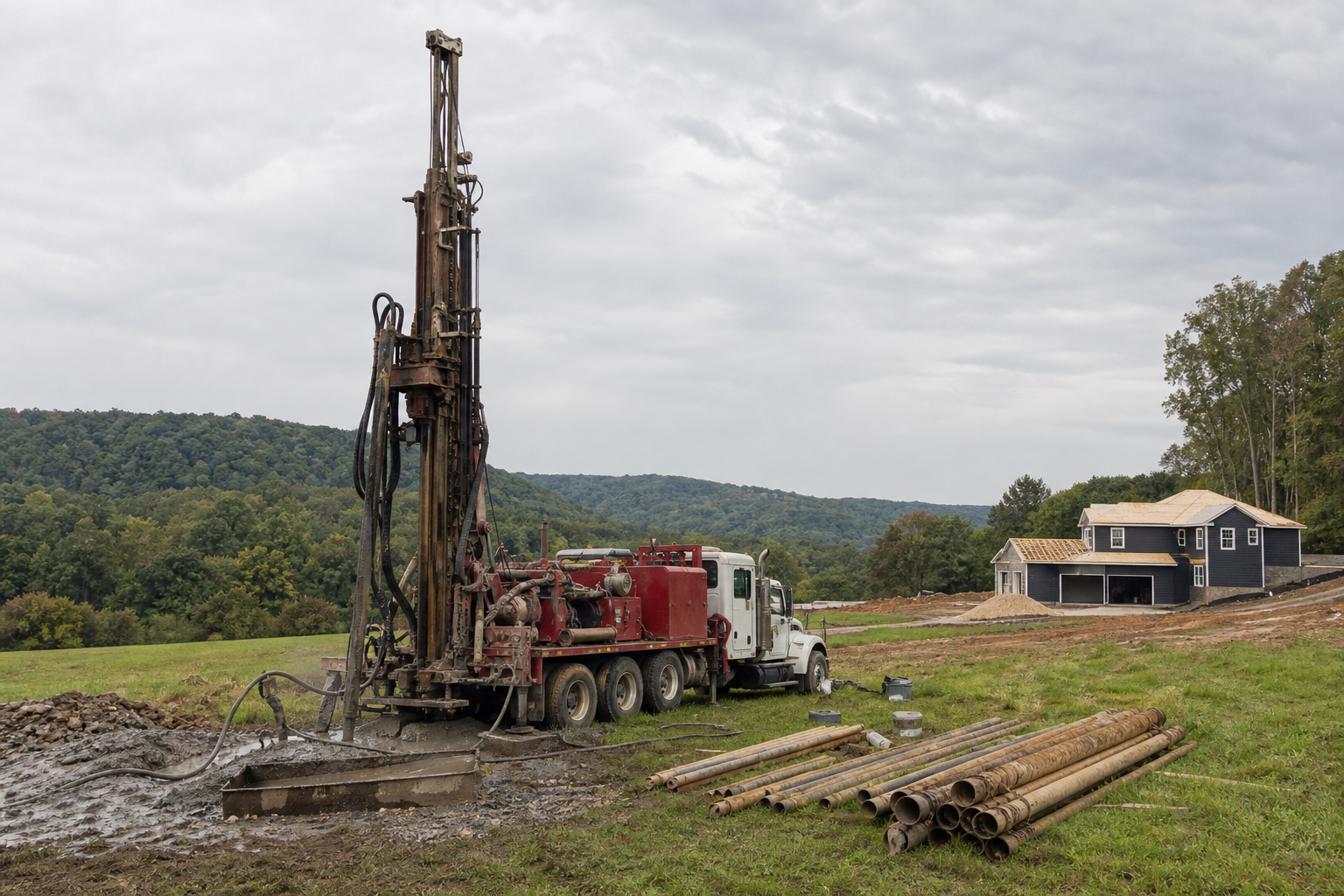
Walters Well Drilling, LLC has drilled wells for farms, nurseries, and large landholdings throughout this region for more than 25 years, with rigs capable of reaching 1,200 feet when local geology requires it. This article covers what landowners need to consider before drilling, what separates an agricultural well project from a residential one, and how to avoid the most common planning mistakes that end up costing money after the rig has already left the property.
Agricultural Water Demand Is Not the Same as Household Demand
A residential well needs to deliver enough water to support a household, typically measured in gallons per day and sized around peak morning and evening usage. Agricultural demand works differently. Livestock watering alone can require tens to hundreds of gallons per animal per day depending on species, season, and production stage. Irrigation demand is even higher, and unlike household use, it tends to hit its peak during the driest stretch of the year, exactly when groundwater levels are at their lowest.
Understanding your total water demand before drilling is not just a planning exercise. It directly determines what yield the well needs to produce, how deep the drill may need to go to find a water-bearing zone capable of supplying that yield, and how the pump and storage system need to be sized to meet demand without over-pumping the aquifer. Getting this wrong means a well that works fine in April and runs short in August, which is a problem that is far more expensive to fix than to prevent.
Yield Requirements for Agricultural and Irrigation Wells
Yield is typically expressed in gallons per minute, and the target yield for an agricultural well depends heavily on what the well is supplying. A small livestock operation or a market garden may get by with several gallons per minute if the system includes adequate storage. A larger irrigated acreage or a significant animal unit count may require sustained yields well beyond what a residential well is expected to produce.
It is worth noting that a well's yield is determined by the local geology and the water-bearing fractures encountered during drilling, not by how hard the pump works. A high-capacity pump on a low-yield well does not produce more water; it simply draws the available water down faster and risks running the pump dry. This is why a proper yield test during or after drilling matters and why any conversation about an agricultural well should start with a realistic assessment of what the local aquifer can actually produce.
In situations where the aquifer cannot sustain the peak demand of the operation, pairing the well with a storage tank and transfer pump system is often the practical solution. The well slowly refills a large storage reservoir between peak demand periods, and the transfer system delivers water at the rate the operation needs. This approach works particularly well for crop irrigation, where water needs are intermittent rather than continuous.
Setbacks, Permits, and Site Considerations
Agricultural wells in Pennsylvania are subject to the same setback requirements as residential ones, plus additional considerations that apply specifically to farm settings. Wells must maintain specified distances from septic systems, manure storage areas, fuel tanks, feedlots, and other potential contamination sources. On a working farm, that can take more planning than on a residential lot, especially if the property has multiple outbuildings, storage areas, or livestock facilities that need to be factored into the siting decision.
Access for a drill rig also matters on a farm property. Our equipment needs a path to the drill site, adequate space to set up, and ideally a location where the permanent wellhead will not interfere with routine field operations or vehicle traffic. These are conversations to have before the drilling date rather than on arrival.
Pennsylvania requires a permit for well drilling, and the licensed driller files the required paperwork and reports. As the landowner, your main obligation is to ensure the well location complies with setback rules and that any local or township zoning requirements specific to your use case are reviewed ahead of time.
Pump and Pressure System Sizing for Agricultural Use
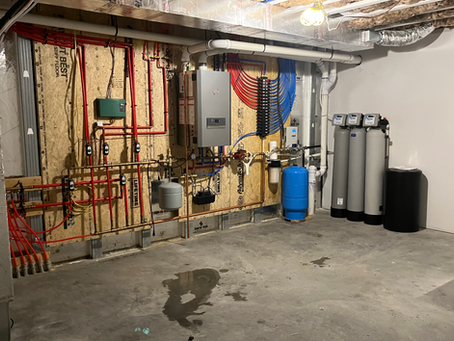
Agricultural pump systems are typically sized differently than residential ones. Where a household system might run at a modest flow rate across two or three fixtures, an irrigation pump may need to deliver a high flow rate at significant pressure to supply a center pivot, drip system, or overhead system across a meaningful acreage. Livestock systems need reliable, on-demand flow to waterers and tanks throughout the day.
Getting the pump sized correctly for the application, the well yield, and the distribution system is where the real efficiency gains come from. An undersized pump forces the operation to run in shifts or limits coverage. An oversized pump on a modest well draws the water level down faster than the aquifer can recover. A properly matched system delivers consistent, reliable water at a rate the well can sustain over a full growing season.
Water Quality Testing for Agricultural Operations
Agricultural water quality matters for more than just human consumption. Livestock drinking water with high mineral content, bacteria, or elevated nitrates can affect animal health and production. Irrigation water that is highly mineralized, acidic, or carries biological contamination can affect crop quality and soil health over time. Testing a new agricultural well before putting it into full service gives a baseline picture of what the water contains so any treatment needs are identified upfront rather than discovered after a problem appears.
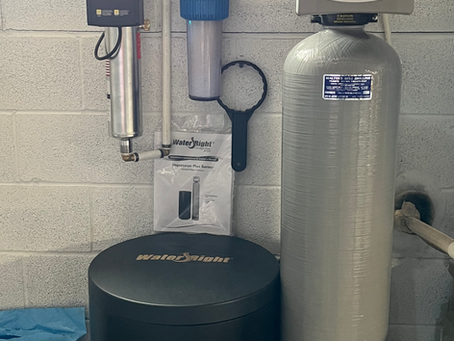
Walters Well Drilling offers water testing and treatment solutions tailored to what is commonly found in South Central Pennsylvania's groundwater, including iron, sulfur, hardness, bacteria, nitrates, and pH imbalance. The right treatment approach for an agricultural well depends on what the water is being used for and what the test results show.
Agricultural and Irrigation Well Drilling Across Huntingdon County
Walters Well Drilling, LLC drills agricultural and irrigation wells for farms, nurseries, and large properties throughout Huntingdon County and South Central Pennsylvania. We have the equipment to reach productive water-bearing zones in this region's Ridge and Valley geology, and we have the experience to help you plan the project correctly before the rig arrives rather than troubleshoot it after the fact.
If you are planning a new agricultural well, replacing an aging irrigation supply, or trying to understand whether your existing well can support an expanded operation, call us at (814) 259-3985 or email walterswelldrilling@gmail.com for a free consultation. You can also reach us online.
This article is intended for general informational purposes. Agricultural well yield, pump sizing, and setback requirements are site-specific and should be evaluated by a licensed well contractor before drilling.
Recent Posts